
Physical AI-native detection and secure destruction.
Detection and destruction share one data record. Each find tells the chamber what to expect, and each item destroyed trains the detector.
Detection makes destruction smarter. Destruction makes detection smarter.
Physical AI detection
Camera, LiDAR and electromagnetic sensing on one drone rig. Prototype H1 2027.
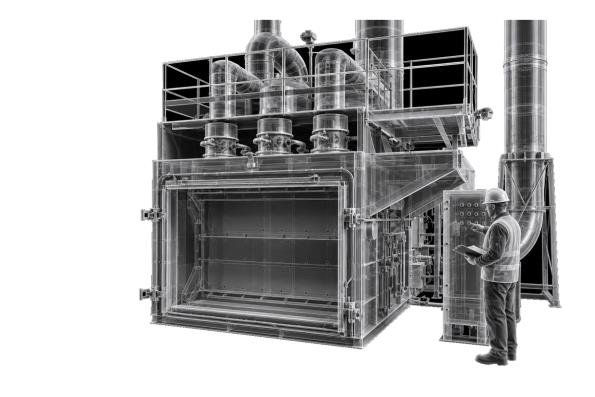
Secure destruction
Ordnance destroyed in-place in a mobile closed chamber. In service since 2001.
Critical mineral recovery
Lead, antimony, copper and steel, recovered in four graded fractions per cycle.
Roadmap
Each stage adds a munition class or a handling capability to the same system.
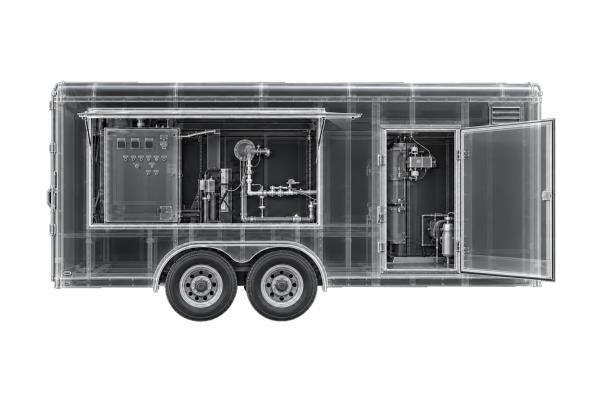
Mobile closed chamber and metals recovery, in service on four continents.
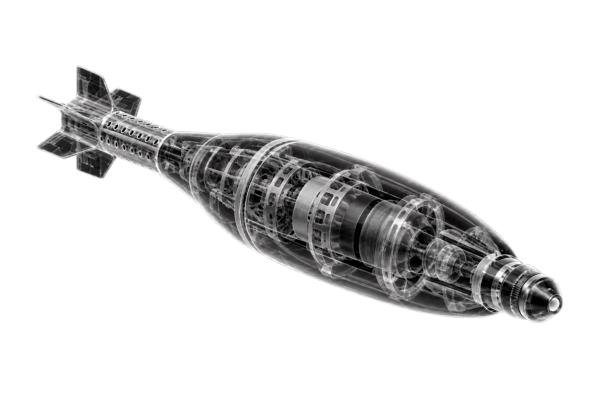
Licensable university separation technology isolates fill from casing.
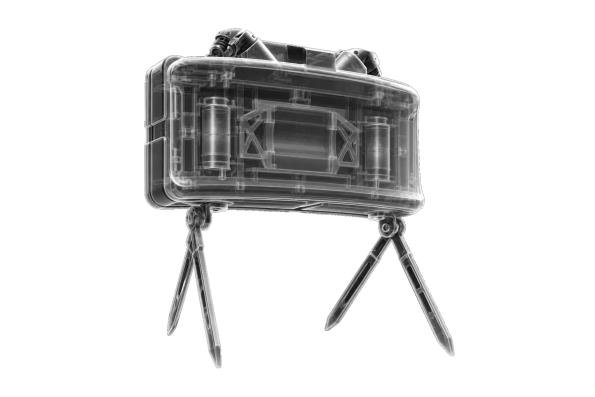
Propellant demilitarization, metals-discrimination sensing and EOD kit.
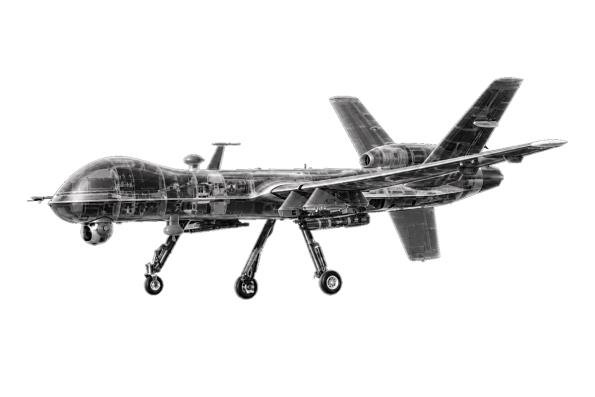
Robotic feed and cutting for large-calibre ordnance and UXO.
Design, build and operate national capability inside allied borders.
Sensing and autonomy then extend the system across land and water. The end goal is underwater UXO: the hardest to detect, with the highest custody value and the fewest competitors.
Work with End State
Defence, police and allied government programmes.